From Hand-Drawn to Hyper-Detailed: The Evolution of Anime Art Styles
Anime looks nothing like it did 30 years ago. Here's how the medium's visual style evolved — and where it might be headed next.
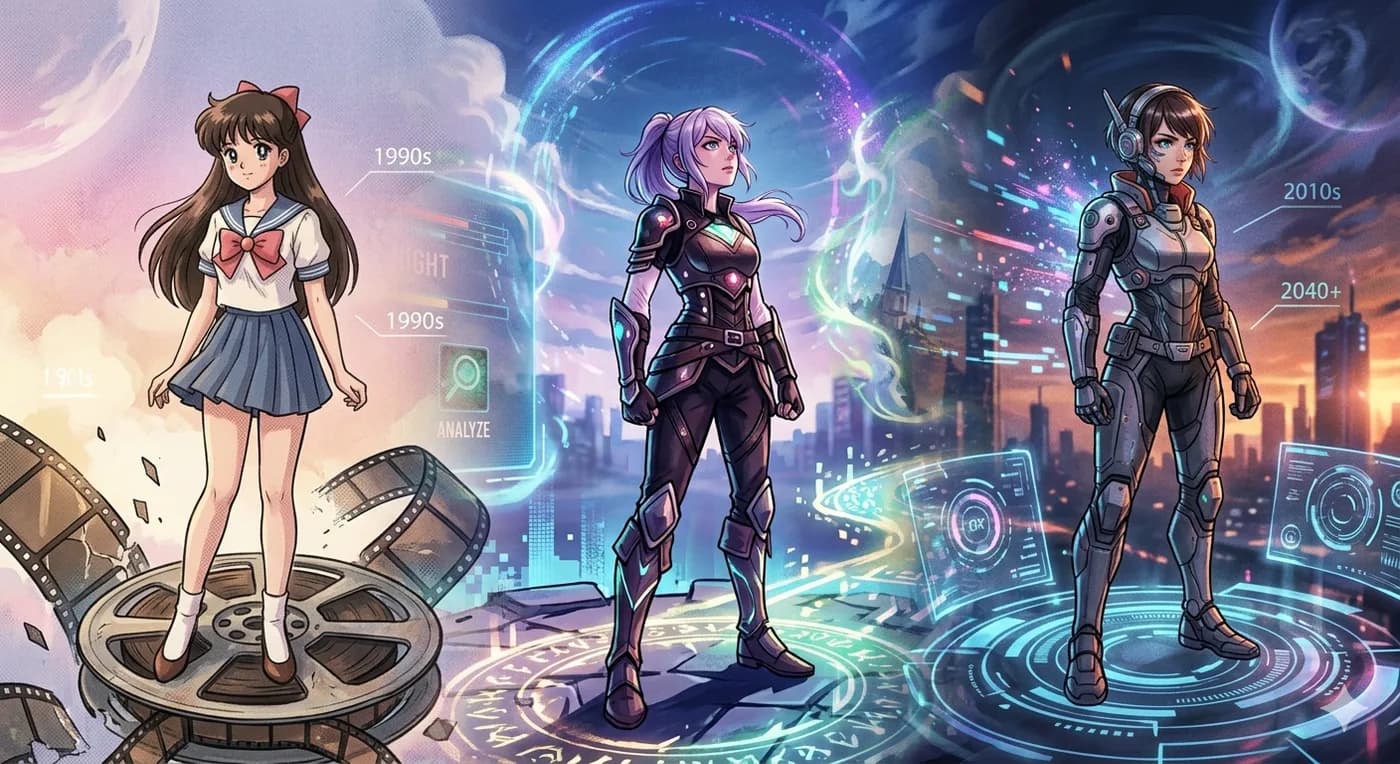
The Cel Animation Era
For decades, anime was made by hand-painting individual cels — a painstaking, labor-intensive process that gave classic series their distinct warmth and slightly imperfect charm. The visual limitations of the era also shaped storytelling itself, encouraging dramatic stillness, dynamic camera angles, and expressive close-ups to convey motion without animating every frame.
The Digital Shift
The move to digital coloring and compositing changed everything — cleaner lines, more vibrant palettes, and far more consistency from episode to episode. It also opened the door to visual effects that would have been prohibitively expensive to paint by hand.
3D CGI Enters the Picture
CGI in anime used to be a punchline — stiff, uncanny, and visually jarring against 2D characters. That's changed dramatically. Modern productions blend 3D backgrounds, vehicles, and crowd scenes so seamlessly into hand-drawn characters that many viewers don't even notice where one technique ends and the other begins.
Studios Developed Their Own Fingerprints
As the tools matured, individual studios started developing signature visual identities — some known for fluid, high-frame-rate action sequences, others for painterly backgrounds or exaggerated, expressive character animation. That visual diversity is part of why two anime from the same year can look like they belong to entirely different eras.
Where the Art Style Goes Next
AI-assisted in-betweening, real-time rendering, and increasingly powerful software are already changing production pipelines behind the scenes. Whatever comes next, the goal has stayed the same since the hand-painted cel era: using every available tool to make a still frame feel alive.
Frequently Asked Questions
Comments (0)
Please log in to join the conversation and share your thoughts.